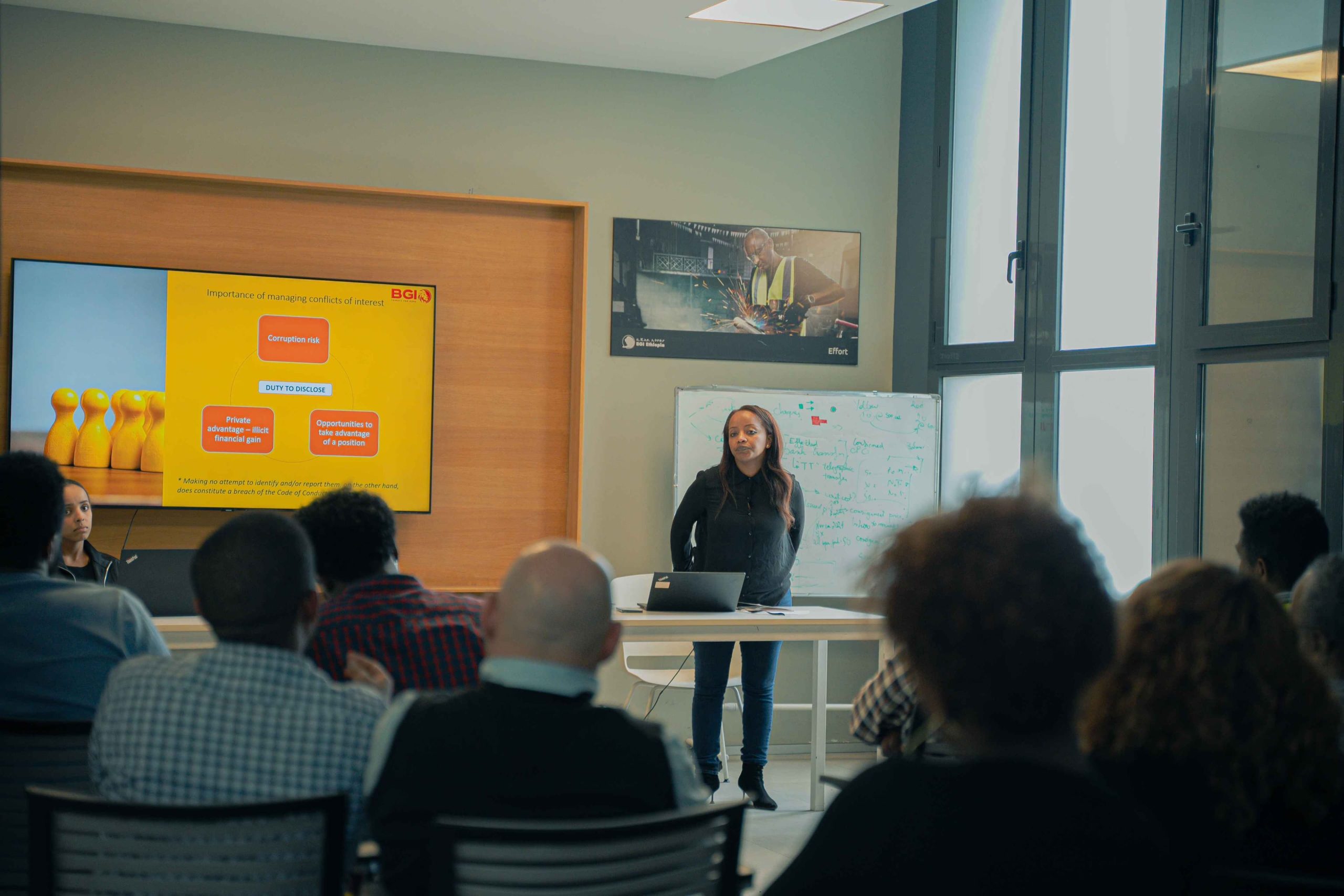
Environmental Impacts
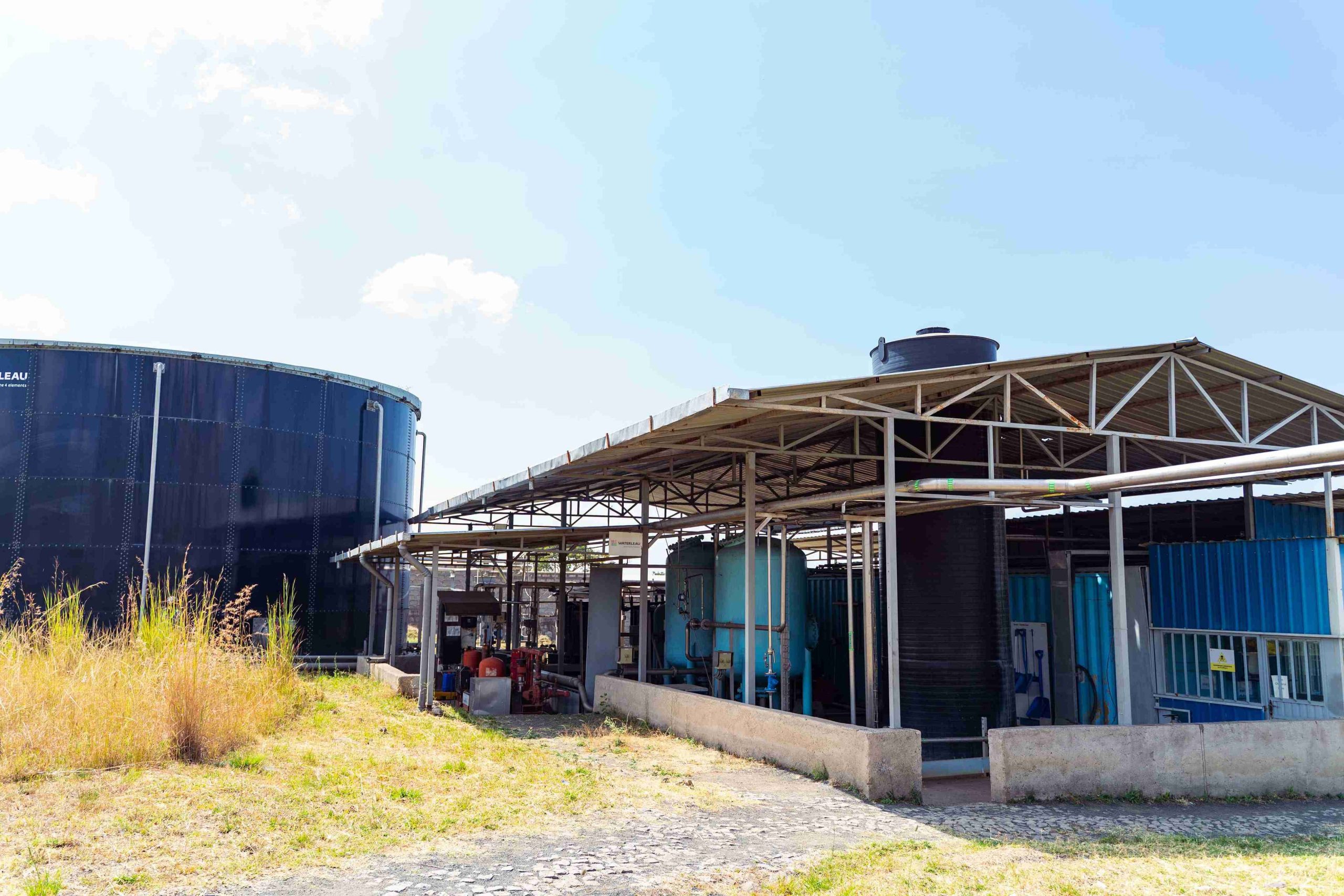
Waste Water Treatment
Since its establishment, BGI Ethiopia employs advanced water treatment technologies to recycle waste water, making it suitable for in house gardening practices. This process involves several stages in conformity of standards, including preliminary treatment to remove large debris, and secondary biological treatment.
Utilization of Spent Yeast/Grain and Recycling Initiatives
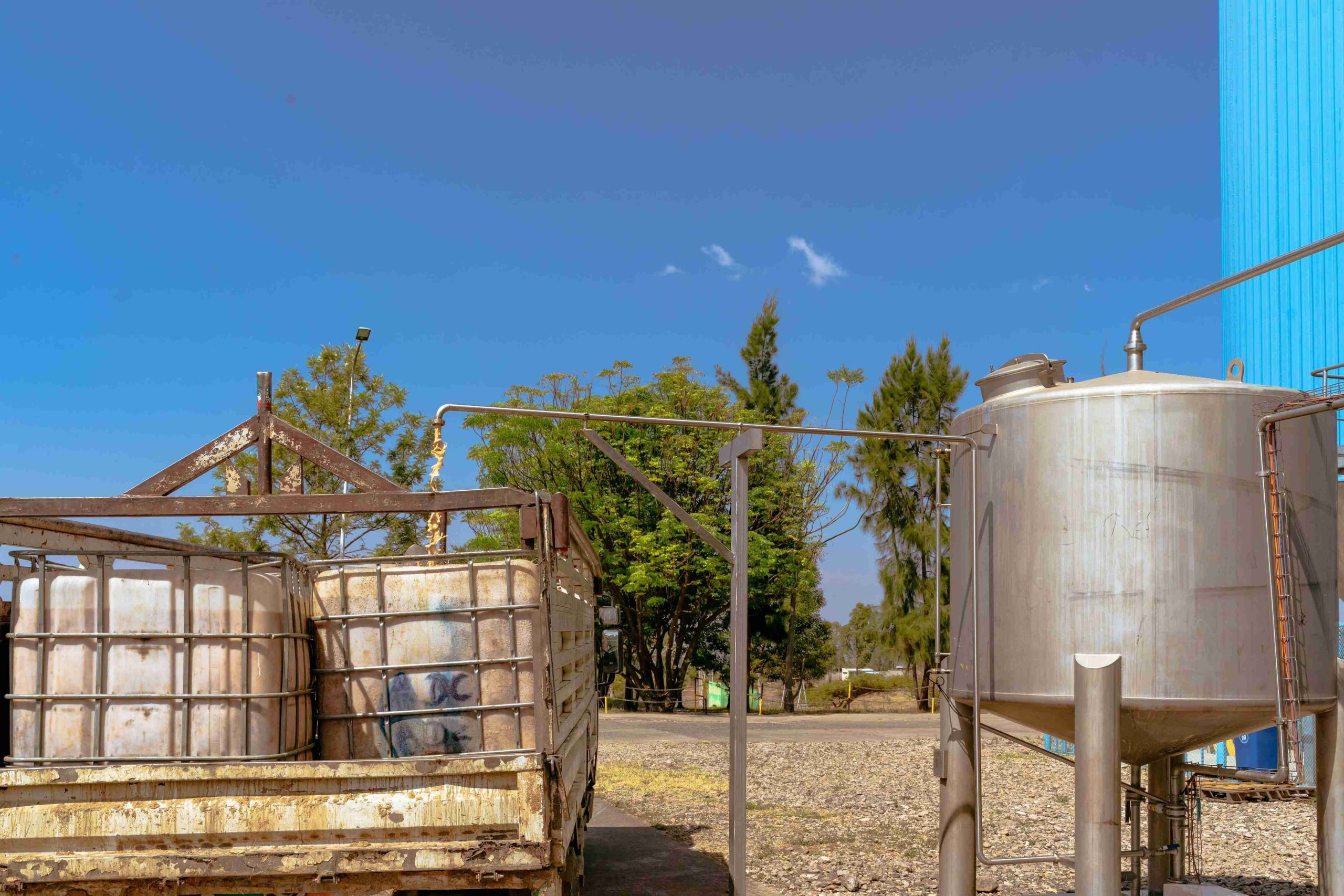
BGI Ethiopia contributes to local agriculture by providing spent grain as a nutritious feed for cattle and spent yeast for poultry. This practice not only supports farmers but also reduces waste generated from the brewing process. Additionally, the company engages in recycling initiatives for non - hazardous waste like card boards, kegs, cork, glass bottles, crates, and wooden pallets, thereby promoting a circular economy and minimizing environmental impact.
CO2 Recovery
BGI is improving operational efficiency and contributing to environmental protection by implementing a CO2 recovery system that captures carbon dioxide generated during the beer fermentation process. This recovered CO2 is reused for carbonation, reducing the need to purchase external supplies and minimizing waste. By adopting this innovative approach, BGI not only lowers operational costs but also aligns with sustainability goals, promoting a circular economy that mitigates greenhouse gas emissions and enhances resource efficiency in the brewing industry.